Ragland Font: Organic Handwritten Type for Editorial Design
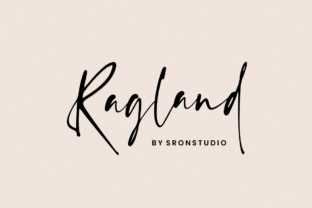
Ragland is a natural handwritten font with an organic feel that serves as a vital tool for publishers and content creators seeking authenticity in their digital and print layouts. In an era where editorial design often leans toward sterile minimalism, this typeface offers a refreshing return to human-centric typography that feels both personal and professional. For bloggers, magazine designers, and ebook authors, selecting the right script handwritten style is not merely an aesthetic choice but a strategic decision that influences reader engagement and brand perception. Ragland provides that crucial balance, delivering a casually smart feel that enhances readability without sacrificing artistic character.
Ragland Script Handwritten Fonts for Authentic Blog Headers
When integrating Ragland into blog headers and article titles, designers will find that its organic flow creates an immediate emotional connection with readers before they even engage with the body copy. Unlike rigid display fonts that can feel impersonal, Ragland mimics the natural cadence of human handwriting, making lifestyle content, travel journals, and wellness articles feel more intimate and trustworthy. This specific application of script handwritten fonts transforms standard post titles into visual hooks that reduce bounce rates by signaling a personal narrative voice. The font’s irregularities are subtle enough to maintain legibility at smaller header sizes while retaining enough personality to distinguish your publication from competitors using generic system typefaces.
For content creators focusing on niche topics like sustainable living or artisanal crafts, Ragland reinforces the subject matter through typographic resonance. The letterforms possess a relaxed confidence that mirrors the "casually smart" ethos described in its product details, ensuring that your headlines do not look overly polished or corporate. This alignment between visual tone and written content is essential for building a loyal audience who values genuine expertise over manufactured perfection. When used in H1 or H2 tags within a CMS, Ragland acts as a visual anchor that breaks up dense text blocks and guides the eye naturally down the page.
Designing Magazine Covers and Ebook Titles with Ragland
Ragland excels as a primary display font for magazine covers and ebook titles where capturing attention in thumbnail size is critical for sales and downloads. Editorial designers understand that cover typography must perform double duty: it needs to be aesthetically pleasing at full resolution while remaining instantly recognizable when scaled down for social media ads or marketplace listings. The organic structure of Ragland allows for tight kerning and dynamic stacking, enabling designers to create title treatments that feel bespoke rather than templated. This versatility makes it particularly valuable for independent publishers producing digital magazines, zines, or downloadable guides who need premium typography without commissioning custom hand-lettering.
- Visual Hierarchy: Use Ragland for the main title to establish mood, then pair with a clean sans serif for subtitles to ensure rapid information processing.
- Thumbnail Legibility: Test Ragland at 200px width to ensure the organic strokes remain distinct and do not blur together in small formats.
- Genre Alignment: Ideal for memoirs, cookbooks, self-help guides, and creative non-fiction where the author's voice is central to the value proposition.
- Color Adaptability: The font’s textured edges hold ink well in print and render crisply on screens, supporting both dark mode and light background designs.
Ragland Typography for Newsletter Graphics and Quote Layouts
Newsletter writers and email marketers can leverage Ragland to transform plain text updates into visually engaging experiences that subscribers actually want to read. Email design presents unique challenges because many clients strip external stylesheets, but embedding Ragland as web-safe images for headers or pull quotes ensures consistent branding across platforms. The font’s natural handwritten aesthetic softens the promotional nature of newsletters, making product recommendations and personal updates feel like correspondence from a friend rather than a marketing blast. This psychological shift is measurable; warmer typography often correlates with higher click-through rates because it lowers the reader's defensive barrier against sales messaging.
Creating shareable quote graphics is another high-value use case where Ragland outperforms standard script fonts. Social media algorithms favor original graphics over stock photos, and typography-led images featuring Ragland provide a branded template that is instantly recognizable. The "casually smart" quality of the letterforms ensures that inspirational or educational quotes maintain authority without appearing cheesy or outdated. For creators managing multiple platforms, establishing Ragland as the designated quote font creates visual consistency that strengthens brand recall across Instagram, Pinterest, and LinkedIn feeds.
Font Pairing Strategies for Readable Editorial Content
Successful implementation of Ragland in long-form content depends entirely on thoughtful font pairing that prioritizes reader comfort alongside stylistic expression. While Ragland is perfect for display purposes, it should never be used for extended body copy due to the cognitive load associated with reading handwritten styles at length. Editorial best practices dictate pairing this script handwritten font with a highly readable serif like Merriweather or Lora for article text, creating a classic contrast that honors tradition while feeling contemporary. Alternatively, pairing Ragland with a geometric sans serif like Montserrat or Poppins creates a modern editorial look suitable for tech-adjacent lifestyle brands or innovative course creators.
The key to effective pairing lies in matching x-heights and optical weight rather than just contrasting styles. Ragland has a relatively open counter space and moderate stroke contrast, which pairs beautifully with serifs that share similar proportions. Avoid pairing it with other decorative scripts or condensed sans serifs, as this creates visual competition that fatigues the reader. Instead, let Ragland serve as the singular expressive element in your typographic system, using neutral typefaces to handle navigation, captions, metadata, and footnotes. This disciplined approach ensures that when Ragland appears, it commands attention precisely because it is reserved for moments of emphasis.
Licensing Ragland for Commercial Printables and Digital Products
Creators selling ebooks, worksheets, planners, or templates must verify that their Ragland license covers commercial distribution and end-product usage. Many designers overlook licensing nuances until after launch, risking legal complications or forced rebranding; understanding these terms upfront protects your business assets and revenue streams. Standard desktop licenses typically cover personal projects and client work where the font file itself is not redistributed, but selling editable templates or embedding the font in software requires upgraded commercial or app licenses. Always review the specific EULA provided with Ragland to confirm permissions for digital products, especially if you plan to offer customizable Canva templates or fillable PDF forms to customers.
Beyond legal compliance, investing in proper licensing signals professionalism to your audience and respects the type designer’s intellectual property. Clients and customers increasingly value ethical consumption, and transparently licensing premium fonts like Ragland enhances your brand’s credibility. When listing products on marketplaces like Etsy or Creative Market, mentioning that all typography is properly licensed can be a differentiator that justifies premium pricing. Furthermore, maintaining organized license documentation simplifies future audits and allows you to scale your product line confidently, knowing that your foundational design assets are secure and compliant for all intended editorial and commercial applications.